A charity that asks for gift cards is a scammer: how to give safely on Giving Tuesday
Giving Tuesday is Dec. 1, and the calls, texts and posts asking for donations are already coming. The FTC says a request to pay by gift card is a sign of a scam, not a real charity.
Giving Tuesday falls on Tuesday, Dec. 1 this year. It is the day after the Thanksgiving weekend when charities make their biggest push for year-end gifts. Scammers know it. In the days around it, many people get calls, texts, emails and social media posts asking for money.
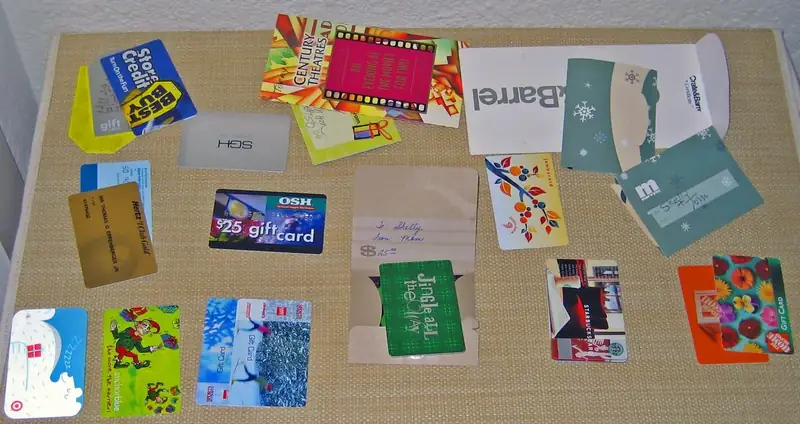
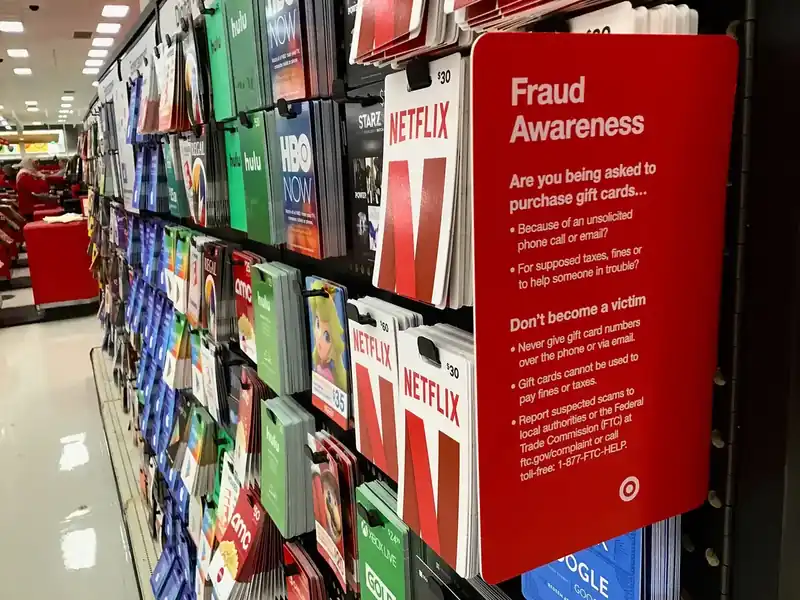
Here is the simple test. If someone says you must pay with a gift card, and read the code over the phone, it is not a real charity. The Federal Trade Commission (FTC) says that if the only way to pay is with cryptocurrency, a payment app, a gift card or a wire transfer, it is likely a scam. Real charities take checks and credit cards.
What the FTC says
In its Giving Tuesday consumer alert from Dec. 1, 2025, titled "Donate to charities (not scammers) on Giving Tuesday," the FTC says that "not everyone asking for money is a real charity." It warns that as the year ends, you will likely get calls, texts and emails asking for donations. The alert gives four pieces of advice.
- Confirm the charity is real. Get the exact name, then research it. The FTC says some dishonest telemarketers use names that sound like well-known charities to confuse you.
- Check where the money goes. Call the charity directly and ask how much of your gift goes to the programs you care about. The charity's website may also say.
- Think about how you pay. The FTC says the safest ways to give are a credit card or a check.
- Double-check links. Pay attention to who is asking and who gets the money, even if a friend posted it on social media. If you are sent to a crowdfunding page, the FTC says the money goes directly to the organizer. That person may not be closely tied to the cause you want to help.
Why gift cards are the scammer's favorite
A gift card works almost like cash. Once you read the numbers on the back to a stranger, the money can be spent quickly, and it is very hard to get back. That is why scammers push gift cards, and why a real charity has no reason to ask for them.
The Arizona Attorney General's office made the same point in a Nov. 25, 2025 release. It warns people not to donate by debit card, gift card, cryptocurrency, wire transfer or cash app. The office says these are treated like cash. It names credit card or check as the safest methods. A credit card may offer some protection and leaves a record for your tax return.
Warning signs of a fake charity
Officials describe the same red flags again and again.
- A name that sounds almost right. Scammers pick names close to famous charities. The BBB Wise Giving Alliance notes that thousands of charities have "cancer" in their name, for example, but have no connection with one another.
- Pressure to decide now. The Arizona Attorney General says real charities will accept your gift whenever you are ready. The BBB also advises you to resist pressure to give on the spot.
- A tear-jerking story with few details. The BBB says what matters is what the charity is actually doing to help. Ask how and where it works.
- A request for personal details. The Arizona office says not to give your Social Security number or bank details to anyone who asks for a donation by phone, text, email or social media.
- Scammers piggyback on tragedy. The Arizona office says scammers often exploit a disaster or tragedy to pull at your heartstrings.
How to check a charity in five minutes
- Get the exact name and website. Ask the caller to spell it, then hang up. Look up the charity yourself instead of using a link or number you were sent.
- Search the name with the words "complaint," "review" or "scam." The Arizona Attorney General recommends this simple step.
- Look at the ratings. The FTC points to the BBB Wise Giving Alliance (give.org) and CharityWatch (charitywatch.org). Both publish reports on how charities spend donations. The BBB says it evaluates charities at no charge against 20 standards.
- Check your state. The FTC says your state charity regulator can tell you if a charity is registered, which is required in most states. The BBB says that is often the attorney general's office. The National Association of State Charity Officials lists them at nasconet.org.
- Check tax status. The BBB reminds donors not to assume every group asking for money is tax-exempt. The IRS has a Tax Exempt Organization Search tool on irs.gov.
If you want to give
The easiest and safest path is to go to the charity's own website, typed in by you, and pay with a credit card. Or mail a check. Keep a record of each gift. The Arizona office advises keeping records for tax purposes and checking your statements to make sure you were charged only the amount you agreed to.
If a charity phones you and you like its cause, you do not have to say no forever. You can say, "Please send me information in the mail," and then do your homework. A real charity will not mind.
If you already paid, or you spot a fake
- Report it. The FTC asks you to report fake charities at ReportFraud.ftc.gov.
- Tell your state. The Arizona office takes complaints at azag.gov/consumer. Other states have a similar page for the attorney general's office.
- Use the BBB. The BBB runs a ScamTracker at give.org/bbb-scam-tracker and a charity complaint form.
- Call your card company. If you paid by credit card, ask about disputing the charge. Our earlier article on gift card scams covers what to do if you bought gift cards.
What we still don't know
Neither the FTC alert nor the state release gives a count of how many people lose money to fake charities each year, so we do not have a number to share. The advice above comes from last year's alerts, but the warning signs have not changed.
What do you think?
- Have you ever gotten a call or text asking for a donation that felt wrong? What made you suspicious?
- How do you check a charity before you give? Do you have a go-to rule?
How we checked this story
We read 3 reputable sources, wrote this article in our own words, and link every one of them below. Last checked November 26, 2026.
- Federal Trade Commission, "Donate to charities (not scammers) on Giving Tuesday": the four tips, payment-method warning, crowdfunding note, reporting at ReportFraud.ftc.gov
- Arizona Attorney General, "Ahead of Giving Tuesday, Attorney General Mayes Urges Arizonans to Protect Themselves from Charity Scams": payment methods to avoid, name and pressure warnings, search tips, record keeping
- BBB Wise Giving Alliance, "Basic Giving Tips": exact-name advice, pressure and appeal warnings, state registration, IRS tax status check
Spot an error? See our corrections policy.