Veterans warned: no one can sell you a 100 percent disability rating
The FTC and the VA say scammers are using fake hotline numbers, social media ads and mailed postcards to go after veterans' benefits. Here is how to spot them and what to do.
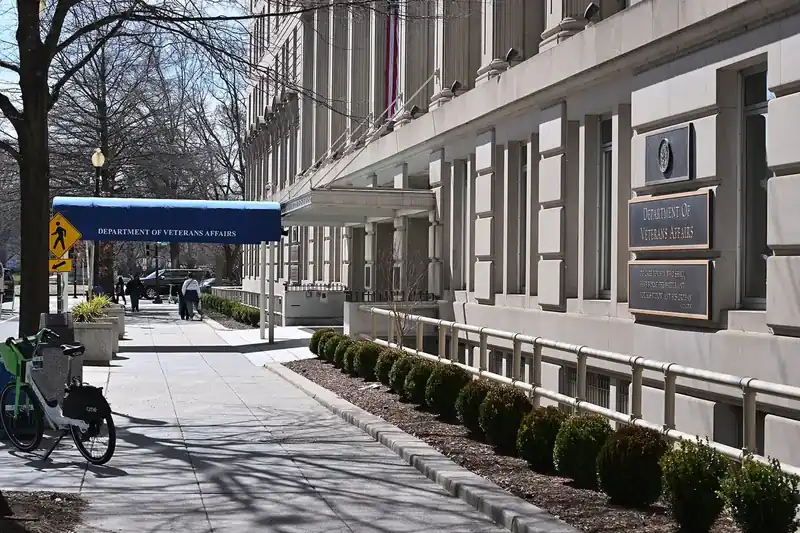
If someone offers to get you a 100 percent disability rating, or to speed up your VA claim, for a fee, it is a scam. That is the message in a new consumer alert from the Federal Trade Commission, or FTC, published Nov. 16. The VA says the same thing on its own site: "we'll never charge you any fees to apply for VA benefits or healthcare."
Scammers know that many veterans depend on these payments. According to the FTC, they call, text and send direct messages, claim to be with the VA, charge illegal upfront fees and make false promises about "100% disability ratings" and fast-tracked claims. The VA says the FTC estimated that in 2022 alone, veterans reported $292 million in losses to fraud.
Three tactics the FTC is warning about
The FTC's alert names three newer ways scammers go after VA benefits.
- Fake phone numbers. Scammers set up numbers that look almost identical to real VA hotline numbers. If you mistype the VA's number, the person who answers may pressure you to pay for services that the VA provides for free.
- Social media ads. Ads on Facebook and TikTok push fake veterans grant programs. If you respond, the FTC says the scammer pressures you to share direct deposit information and change it, so your payments go to the scammer's bank account.
- Unexpected postcards. Mailers advertise a "Veterans Savings Program." The FTC says no such program exists. The goal is to get you to call and share your Social Security number or bank account details.
What is free, and who can help
Applying for VA benefits costs nothing. The FTC says a VA-accredited Veterans Service Organization (VSO), claims agent or attorney "will never charge you to file a VA benefits claim — but a scammer will." Accredited means the VA has officially recognized that person or group to help with claims.
The VA adds that it is not legal for a company or person to prepare, present or pursue VA benefit claims without proper VA recognition.
Disabled American Veterans (DAV), a major VSO, has warned about this for years. In a February 2024 alert it said "claim sharks" often present themselves as consultants or coaches, and that their fees "are often a percentage of future benefits payments." Its alert says a typical claim shark has the veteran file their own claim, then comes back to collect after the VA makes a rating decision. DAV also says it does not charge for claims help and never will.
Red flags to watch for
- A guaranteed rating. Only the VA decides disability ratings. DAV lists guarantees of a big increase as a warning sign.
- Upfront fees, or a cut of your benefits. The VA says not to sign a contract that agrees to pay an unauthorized company a percentage of your benefit payments.
- Pressure to act now. The VA warns about companies that say you must act now or lose your chance at benefits.
- A blank form. The VA says never to sign one.
- Requests for your bank details, passwords or Social Security number. Do not give them out until you can confirm who is asking.
- Payment by gift card, crypto or wire. The VA lists these demands, along with threats of arrest or cutoff, as signs of a scam.
- A promise of a diagnosis. DAV warns against paying anyone who promises a provider will give a diagnosis or exaggerate a condition.
What to do instead
- Apply through official channels. The FTC says to apply only on VA.gov or in person at a VA regional office. The VA says to use only the official VA.gov site to file claims online or download application forms.
- Check your helper. Use the VA's Accreditation Search Tool, linked from VA.gov, to confirm that a person or group is accredited before you share anything.
- Check the phone number. If you need to call the VA, make sure the number is a real VA number and that you dialed it correctly. The VA keeps a list of helpful phone numbers at va.gov/resources/helpful-va-phone-numbers.
- Protect your account. The VA says to sign in only with accounts that meet its security standards (CLEAR, ID.me or Login.gov), with multifactor authentication, and to use a unique, long password. Watch your VA notifications about direct deposit and contact changes, and keep an eye on your bank accounts.
If you already paid or shared information
The VA's advice is to stop contact and save all messages. Then call your bank or card issuer right away, and the gift card or money transfer company if you paid that way. You can report identity theft at identitytheft.gov, check your credit reports and consider a credit freeze. Block the scam calls, texts and emails.
Where to report it
- VA benefits scams: the VSAFE Fraud Hotline, 833-38V-SAFE (833-388-7233).
- VA health care scams: 866-842-4357, according to the VA.
- Other scams: ReportFraud.ftc.gov, or the FTC at 877-382-4357.
- Fraud involving the VA itself: DAV lists the VA Inspector General hotline at 800-488-8244.
On the VA page we checked, the benefits scam number is displayed as 833-388-7233, but the phone link behind it appears to dial a different number (1-800-827-1000). Check numbers on VA.gov before you dial.
What we still don't know
The FTC's alert does not say how many veterans have been hit by these three newer tactics. The $292 million figure covers all fraud reported by veterans in 2022, not only benefit scams. If you are unsure about an offer, hang up and call a number you looked up yourself, or visit a VA regional office or an accredited VSO.
What do you think?
- Have you or a veteran in your family ever received a call, ad or postcard offering help with VA benefits for a fee? What gave it away?
- How do you check that a phone number or website really belongs to a government agency?
How we checked this story
We read 3 reputable sources, wrote this article in our own words, and link every one of them below. Last checked November 24, 2026.
- Federal Trade Commission, "Three new tactics scammers use to go after VA benefits": the three tactics, advice, VSAFE hotline, the no-fee statement
- U.S. Department of Veterans Affairs, "How to protect your identity and your VA benefits from scammers": no fees, red flags, account security, hotline numbers, steps if scammed, $292 million figure
- Disabled American Veterans, "Scam alert: Veterans' disability benefits targeted through fraud schemes": claim shark tactics, warning signs, VA OIG hotline
Spot an error? See our corrections policy.