No 90-day blackout followed the Nov. 17 emergency alert test
A viral video said a nationwide blackout would start after the Nov. 17 emergency test. The lights stayed on. Here is what the test was, and where the claim came from.
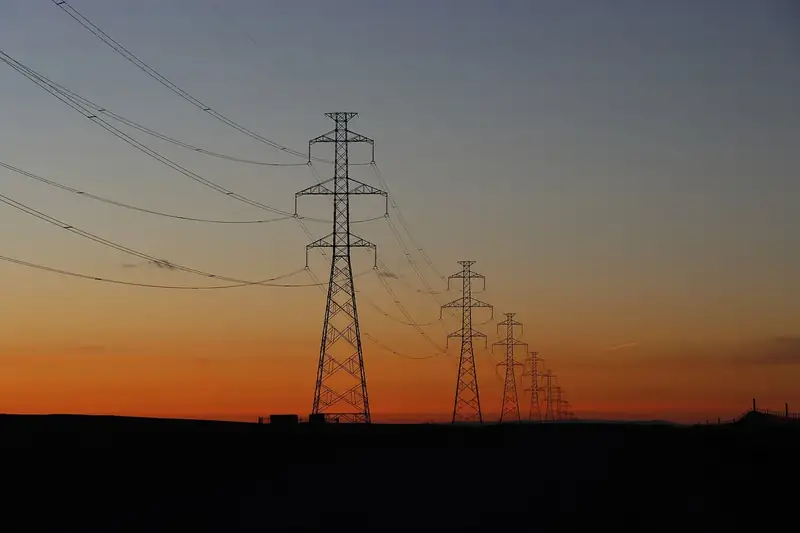
A video that spread on social media before Nov. 17 claimed the country was about to lose power for 90 days. It tied the supposed blackout to the nationwide Emergency Alert System test scheduled for that afternoon. The test came and went, and no nationwide blackout followed.
PolitiFact, a fact-checking group, rated the claim False on Nov. 16. It found that the video had been edited and that nothing in the original footage announced a blackout. Here is what the test actually was, where the rumor seems to have come from, and why a quick check can save you a lot of worry.
What the test really was
The Emergency Alert System, or EAS, is the network that lets officials interrupt radio and television with urgent messages. Federal law requires a nationwide test at least once every three years, according to FEMA, the Federal Emergency Management Agency. The last one was held on Oct. 4, 2023, NBC Chicago reports.
The Federal Communications Commission, or FCC, announced this test in a public notice (DA 26-989) released Sept. 16, 2026. According to that notice, FEMA would send the test at 2:20 p.m. Eastern Time on Nov. 17, 2026, in English and Spanish. It went to broadcasters, cable systems, satellite radio and similar providers, which then passed it on to the public.
The message was short. It said, in part: "This is only a test. No action is required by the public."
- Radio and TV only. PolitiFact and NBC Chicago both report that the test aired on radio and television, not on cell phones. NBC Chicago notes that wireless phone alerts were not part of this year's test.
- About one minute. Broadcasters interrupted programs for roughly a minute, and the alert tones help people who are deaf or hard of hearing.
- A backup date. If a real emergency or a major weather event had required it, the test would have moved to Dec. 3, 2026.
- Why do it at all. FEMA says tests let it find technical problems before the system is needed in a real emergency.
Where the claim came from
PolitiFact traced the claim to TikTok posts from Nov. 14 saying that "a nationwide 90-day blackout will happen Nov. 17, 2026." One post showed a clip of a politician at a Nov. 9 White House news conference, with a subtitle that made it look as if the speaker had announced a 90-day blackout.
PolitiFact says the clip was manipulated. It found the original transcript, and the speaker did not announce a blackout. The fact-checkers also noted that the account behind the post promoted buying cryptocurrency before the "supposed blackout." In other words, the scary video was being used to sell something. PolitiFact says Snopes found similar manipulated videos.
Some people also linked the claim to a real Defense Department project announced on Sept. 30, called FORTRESS America. According to PolitiFact, it aims to make sure military bases can keep running even if civilian power grids go down. Fox News reported, based on documents it reviewed, that the goal is for bases to operate without outside power for at least 90 days. That is where the "90 days" number appears to have come from.
PolitiFact's ruling on that link is plain: preparing bases for a possible outage "doesn't mean a blackout is expected Nov. 17." Planning for a rare event is not a prediction that it will happen.
What FEMA said
The day before the test, FEMA posted that it was aware of "rumors, questions, and speculation" and said this was "a routine, scheduled test of the Emergency Alert System," with "no secret emergency happening here," NBC Chicago reports.
After the test, Newsweek reports, FEMA also rejected online claims that the test had failed or never happened because FEMA was hacked, calling those claims false.
What it means for you
Rumors like this spread fast because they sound urgent and feel personal. A few habits help:
- Check the source. Is the claim from an agency, a news outlet or an anonymous video? Official notices like the FCC's are public and free to read.
- Be wary of a sales pitch. A warning that ends with "buy this now" is a red flag.
- Look for more than one report. A real nationwide event would be covered by many outlets and agencies at once.
- Know that tests are marked. Official alert tests say "test" in the message. Real alerts tell you what to do.
- Keep ordinary preparation. Having a flashlight, spare batteries and a few days of water is sensible for storms and local outages. It does not depend on this rumor. Your utility and local emergency office, and Ready.gov, have checklists.
What we still don't know
PolitiFact did not identify who first made the edited video. The sources we read also do not give results for how well the test worked on individual stations. The FCC says broadcasters must file reports on the test, with detailed results due Jan. 4, 2027, so a fuller picture may come later.
What do you think?
- Did you hear or see the emergency test on your radio or TV on Nov. 17? What did it sound like?
- Have you ever come across a scary online claim that turned out to be false? How did you check it?
How we checked this story
We read 4 reputable sources, wrote this article in our own words, and link every one of them below. Last checked November 21, 2026.
- PolitiFact, "There is no evidence a nationwide blackout is expected Nov. 17. Online claims are unfounded": rating, the edited video, the FORTRESS America link, FEMA details
- Federal Communications Commission, "Announces Nationwide Test of the Emergency Alert System (EAS) on November 17, 2026" (DA 26-989): test time, message text, backup date, filing deadlines
- NBC Chicago, "Blackouts, power grids: FEMA addresses online rumors over Nov. 17 test": three-year law, Oct. 4, 2023 last test, FEMA statements, phones not included
- Newsweek, "FEMA addresses rumors ahead of today's emergency alert test": FEMA's after-test statement on hacking claims
Spot an error? See our corrections policy.