A strong nor'easter could hit the East Coast on Thanksgiving
Forecasters say a coastal storm will bring heavy rain, gusts of 50 mph and flooding to the East Coast on Wednesday and Thursday. Here is what is expected and how to plan.
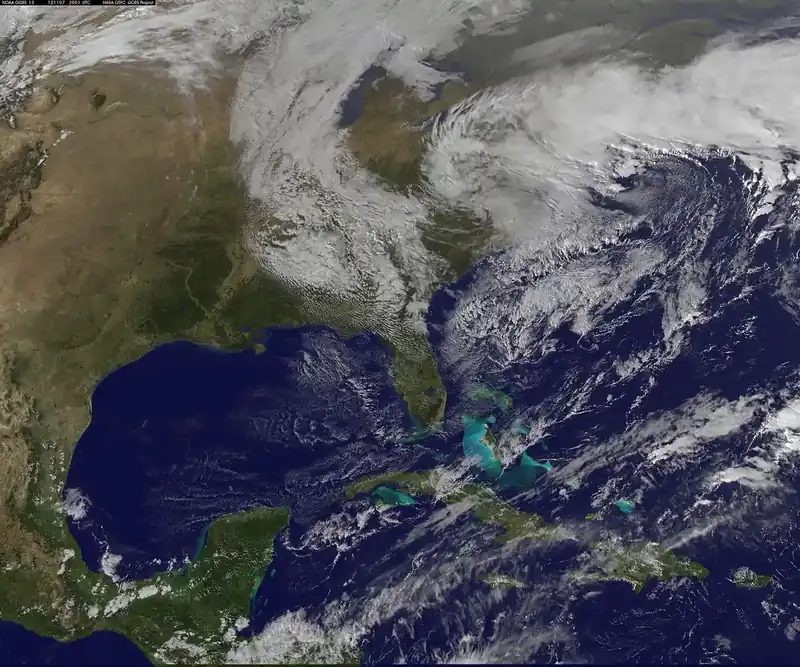
Millions of Americans will be on the road or in the air this week, and the weather may not cooperate. The National Weather Service (NWS) says a strong coastal storm is likely to hit the East Coast on Wednesday, Nov. 25, and Thanksgiving Day, Nov. 26. A storm like this is called a nor'easter, because its winds blow in from the northeast.
According to the NWS Weather Prediction Center, the storm could bring heavy rain, wind gusts of 50 mph or more along the coast, and coastal flooding. The forecast can still change. Here is what forecasters are saying, and what you can do about it.
What forecasters expect
The Weather Prediction Center (WPC) issued its outlook on Sunday afternoon, Nov. 22. As reported by the local news site MoCo Show, the storm should form off the Southeast coast on Wednesday, grow stronger and then move north through Thanksgiving Day. By Monday morning, the WPC said, "confidence is high" that the storm will bring heavy rain, high winds and coastal impacts on Wednesday and Thanksgiving, according to a Forbes column by Marshall Shepherd, a weather scientist.
The main numbers from the forecasts:
- Rain. The WPC says 1 to 3 inches of rain are possible from the Southeast through southern New England, according to MoCo Show. NYC Emergency Management, quoted by TIME, expects 1 to 2 inches in New York City.
- Wind. Gusts of 50 mph or higher are forecast along the coast, and gusts of 40 mph or more inland along the Interstate 95 corridor, according to NOAA forecasters quoted by Forbes. New York City officials mention gusts of 40 to 45 mph, TIME reports.
- Coastal flooding. Strong onshore winds, high surf and unusually high tides tied to Tuesday's full moon could cause what the WPC calls significant coastal flooding and beach erosion from the Carolinas through the Mid-Atlantic.
- Power and trees. The WPC warns that strong winds may bring down trees and cause power outages, MoCo Show reports.
- Timing. Florida and the Carolinas should see the storm first on Wednesday. It then spreads into the Mid-Atlantic and Northeast on Thanksgiving Day, according to TIME. Forbes says winds could last through at least Friday night.
- Snow. Forbes says some snow is possible near the Great Lakes, and snow showers are not out of the question as colder air moves in behind the storm. No major snow totals were reported for the East Coast.
Why the tides matter
Tides rise and fall every day. Around a full moon, they run higher than usual. Meteorologists call these "astronomical tides." When strong onshore wind pushes ocean water toward land at the same time, the water has nowhere to go but up the shore.
That is why the WPC singles out coastal flooding. The exact damage will depend on whether the strongest winds arrive near high tide. Forecasters say the exact conditions "will depend on the storm's eventual track and intensity."
Travel and the holiday
AAA expects 81.5 million Americans to travel at least 50 miles from home between Nov. 24 and Nov. 30, as TIME notes. Most go by car.
- Roads. Heavy rain and strong gusts make driving harder, especially for pickup trucks, vans and trailers, which catch the wind. Standing water can hide on highways.
- Flights. TIME says major airports could see weather delays, on top of recent disruptions. No specific airport closures had been announced.
- The parade. In New York City, Macy's balloons cannot fly if sustained winds top 23 mph or gusts top 34 mph, TIME reports under city rules. It remains to be seen whether the weather will affect the Thanksgiving Day Parade.
What you can do
These are common-sense steps in line with standard NWS safety advice:
- Check before you go. Look at weather.gov and your airline's app the morning you leave. Forecasts for this storm may shift.
- Travel early if you can. If your trip is flexible, driving Tuesday or early Wednesday may avoid the worst of it.
- Do not drive through flooded roads. Even a few inches of moving water can be dangerous. If a road is covered, turn around.
- Prepare for outages. Charge phones and power banks, and keep flashlights and any needed medicines in easy reach. If you use medical equipment that needs power, make a backup plan now.
- Live near the coast? Move cars and outdoor items from low-lying spots and follow local officials' instructions.
- Cooking with a power cut? Keep the fridge closed. Never use a grill or generator indoors or in a garage.
The West Coast, too
The East is not the only region with weather worries. TIME reports a coastal flood advisory for the Pacific Northwest and parts of California, where the full moon is bringing the highest tides of the year. The worst rain is expected late Wednesday into Thursday, with another storm Friday evening. San Francisco's mayor, Daniel Lurie, said that if you don't need to, you shouldn't travel into the city.
What we still don't know
Nor'easters are hard to pin down. A small shift in the track can move the heaviest rain out to sea, or onto your town. The WPC says its forecast "remains subject to change." Rain totals, wind speeds and the timing of high tide could all look different by Wednesday morning. Check your local NWS office for the latest.
What do you think?
- Are you traveling this Thanksgiving, and will this forecast change your plans?
- What is your best tip for driving through heavy rain or wind?
How we checked this story
We read 3 reputable sources, wrote this article in our own words, and link every one of them below. Last checked November 24, 2026.
- MoCo Show, "National Weather Service Warns of Potentially Powerful Thanksgiving Storm Impacting East Coast": WPC outlook of Nov. 22: timing, 1-3 inches of rain, 50 mph gusts, tides, power outage warning
- Forbes (via Yahoo News), Marshall Shepherd, "Major Thanksgiving Nor'easter Likely For The East Coast": NWS/NOAA quotes, high confidence, snow near Great Lakes, winds through Friday night
- TIME, "Will Bad Weather Disrupt Thanksgiving Travel?": NYC rain and wind figures, parade rules, airport delays, West Coast king tides, AAA total
Spot an error? See our corrections policy.