Flu is rising early this year, CDC says. What to know before Thanksgiving gatherings
About 12 of every 100 flu tests were positive in mid-November. Here is what the CDC reports, what it does not yet know, and the steps it recommends.
Flu season is picking up speed earlier than usual. According to the Centers for Disease Control and Prevention (CDC), 11.8% of flu tests at clinical labs came back positive in the week ending Nov. 14. The agency says many measures of flu activity are higher than normal for this time of year.
That matters this week because millions of Americans are traveling and gathering indoors for Thanksgiving. The CDC also says an early rise "does not necessarily lead to a higher seasonal peak or greater severity overall." So this is a good moment to check your plans and your vaccine, not a reason to panic.
What the CDC is reporting
The numbers below come from the CDC's weekly flu report for the week ending Nov. 14, published Nov. 20.
- Lab tests. 7,269 of 61,838 specimens tested positive, or 11.8%. NBC News reports that this is up from 11.3% the week before and 9.1% two weeks earlier.
- Doctor visits. 3.8% of outpatient visits were for flu-like illness. That is above the national baseline of 2.9% for the second week in a row. The CDC defines flu-like illness as a fever plus a cough or sore throat.
- Emergency rooms. 2.4% of emergency visits had a flu diagnosis, up from the week before.
- Estimated burden. The CDC estimates at least 3.7 million illnesses, 50,000 hospitalizations and 2,800 deaths so far this season. These are estimates, not exact counts.
- Children. Seven flu-related deaths in children have been reported this season, according to the CDC. Two of them were added in the latest week. Reports can arrive weeks late.
- State activity. The CDC lists 2 jurisdictions at "very high" activity and 9 at "high," with 13 more at "moderate." Jurisdictions include states and other areas such as Washington, D.C. NBC News describes the West Coast as harder hit.
You may see older, smaller numbers in other coverage. Fox News, for example, reported 2.6 million illnesses on Nov. 18. That figure came from the CDC's report one week earlier, covering the week ending Nov. 7. The totals grow each week.
Which flu virus is spreading
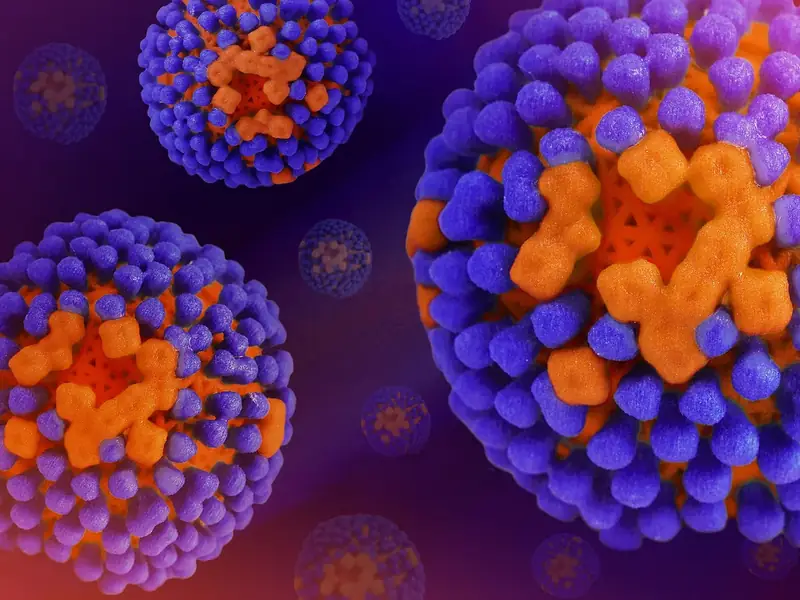
The CDC says one type dominates: influenza A(H1N1)pdm09. This is the same family of virus that emerged in 2009, often called swine flu. Of 365 influenza A viruses that public health labs sorted by subtype in the latest week, 352 (96.4%) were this type.
The CDC says most of these viruses now belong to a branch it calls subclade E. A subclade is a small branch on a virus's family tree. The agency reports that nearly all the viruses it has studied since late May look similar to the ones used to make this year's vaccine. Of 182 H1N1 viruses tested in one lab method, 170 (93.4%) were well recognized by the vaccine strain.
The CDC also says it is "too early to know what viruses may predominate" for the whole season.
Who is most at risk
The CDC tracks hospitalizations in 14 states, covering about 10% of the U.S. population. Its cumulative rate this season is 12.0 hospital stays per 100,000 people. The agency says that is the highest for this point in the season since 2010-11.
Age makes a large difference. Hospital stays per 100,000 people so far this season:
- Ages 65 and older: 38.1
- Ages 50 to 64: 12.8
- Ages 0 to 4: 11.8
- Ages 5 to 17: 4.2
- Ages 18 to 49: 3.9
So adults over 65 are being hospitalized at roughly three times the rate of the next-highest group. The CDC preliminarily rates this season's severity as "low" across all age groups so far. That rating can change as the season goes on.
What the CDC recommends
- Get vaccinated. The CDC says everyone 6 months and older should get a flu vaccine each season, with rare exceptions. It says people should keep getting vaccinated as long as flu viruses are a threat in their community, even though October was the ideal time. A Columbia University nursing expert told NBC News that full protection takes about two weeks. The vaccine may not stop every infection, but the CDC says vaccination is especially important for people at higher risk.
- Know the symptoms. The CDC says flu usually comes on suddenly: fever or chills, cough, sore throat, a runny or stuffy nose, body aches, headache and tiredness. Not everyone gets a fever.
- Ask about antivirals. These are prescription medicines. The CDC says they work best when started within 2 days of getting sick, though later can still help, especially for people at higher risk or who are very sick. Call your doctor early. Your doctor decides whether a medicine is right for you.
- Stay home when sick. The CDC advises staying home for at least 24 hours after your symptoms are getting better and you have had no fever, without using fever-reducing medicine.
- Know the warning signs. For adults, the CDC says to get medical care right away for trouble breathing, ongoing chest or belly pain or pressure, confusion, severe weakness, not urinating, or flu symptoms that get better and then come back worse. Its list is not complete.
One more item: bird flu
The same CDC report notes one confirmed human case of avian (bird) flu, A(H5), in Oregon. The patient is an adult who works on a dairy farm where cows had the virus, and had eye irritation. The CDC says this is the fourth H5 case in dairy workers in 2026 and that human-to-human spread "has not been identified in the United States."
What we still don't know
- How high the peak will go. The CDC says earlier increases do not always mean a bigger season. Its forecast calls for a likely national rise in hospital admissions through the week ending Dec. 5.
- Which virus will win out. H1N1 leads now, but the CDC says it is too early to know.
- The holiday effect. The CDC will publish its next weekly report on Nov. 30 because of Thanksgiving.
If you have not had your flu shot, a pharmacy or your doctor's office can usually give one. You can find nearby locations at vaccines.gov. Talk to your doctor if you have questions about which vaccine is right for you.
What do you think?
- Have you had your flu shot this year, and did you get it at a pharmacy or a doctor's office?
- Are you changing any Thanksgiving plans this year because of flu season?
How we checked this story
We read 4 reputable sources, wrote this article in our own words, and link every one of them below. Last checked November 24, 2026.
- CDC, "Weekly US Influenza Surveillance Report: Key Updates for Week 45, ending November 14, 2026": all lab, hospital, age-group, strain, vaccine-match, pediatric death, burden estimate and H5 figures, forecast
- CDC, "Preventing Seasonal Flu" and "Flu Symptoms" pages: vaccine recommendation, antiviral timing, stay-home advice, symptoms, warning signs
- NBC Chicago (NBC News), "Flu cases rise ahead of Thanksgiving as one strain dominates early-season surge": 11.8% positivity and prior weeks, West Coast comment, two-week protection comment
- Fox News, "Flu activity rises across US as 6 states reach high levels, CDC data shows": earlier week's 2.6 million illness estimate, week-44 positivity, vaccine advice
Spot an error? See our corrections policy.