8,000 frog bones in a Roman-era ditch: researchers say owls left them
Road builders near Cambridge, England, uncovered thousands of tiny frog and toad bones in one ditch. A new study says the likely culprits were owls, during a single winter about 1,700 years ago.
Most archaeology stories are about coins, pottery or buildings. This one is about frogs. Archaeologists working near Cambridge, England, found about 8,000 frog and toad bones packed into a single ditch, and for years nobody could say why. A study published this month says the answer was probably hungry owls.
A strange pile of tiny bones
The bones turned up between 2016 and 2018, during work on a major road project, the A14 Cambridge to Huntingdon Improvement Scheme. Before big building projects in England, archaeologists are often brought in to dig first, so nothing important is lost under new pavement. The team here came from MOLA Headland Infrastructure, a partnership that includes Museum of London Archaeology (MOLA).
The site, at Bar Hill in Cambridgeshire, was a farming settlement that, according to the British magazine Current Archaeology, was in use from the Iron Age into the early Roman period. The Romans invaded Britain in A.D. 43 and ruled much of the island for nearly four centuries, but for many country people daily life went on much as before, in farms and small settlements like this one.
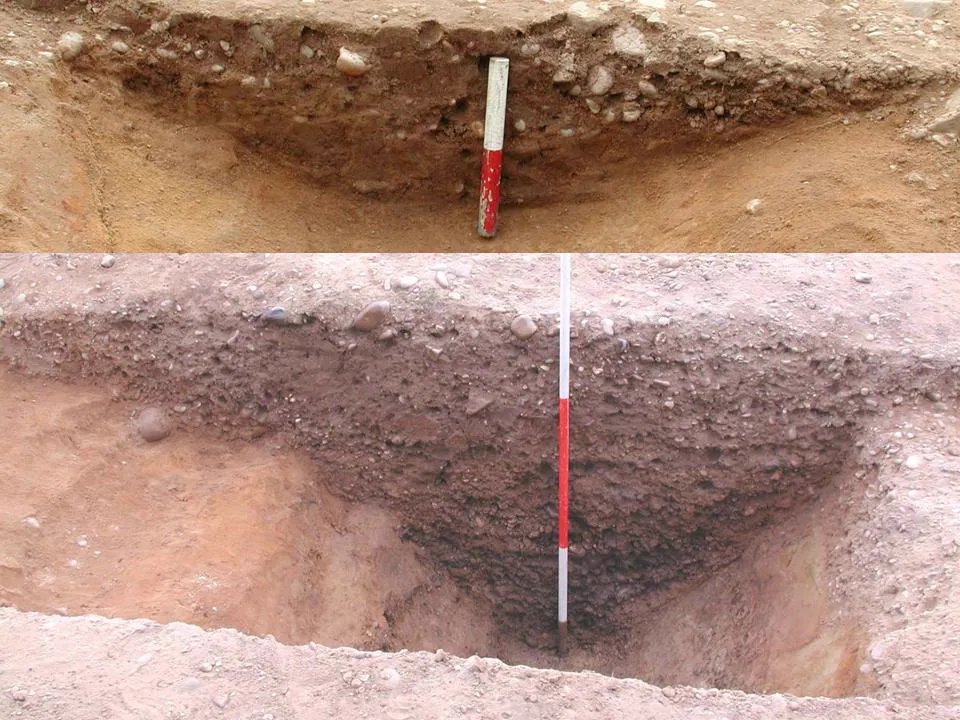
The dig produced close to 700 kilograms (about 1,500 pounds) of animal bones in all, mostly from farm animals. But one spot stood out. In 2022, MOLA reported more than 8,000 amphibian bones in a ditch about 14 meters (roughly 46 feet) long on the western side of a roundhouse, a round home with a thatched roof that was common in Britain before and during Roman rule.
A ditch like this was simply a dug trench, often used to drain water or mark the edge of a home or a field. Over time, soil, trash and whatever fell in slowly filled it up, which is why archaeologists treat ditches like time capsules.
How do you count a pile of frog bones?
Frog bones are small and fragile, and one frog leaves behind dozens of them. So experts do not simply divide the number of bones by the bones in a skeleton. A common approach is to work out the minimum number of individuals: if a pile contains, say, 350 left upper arm bones, there must have been at least 350 animals, since each one had only one.
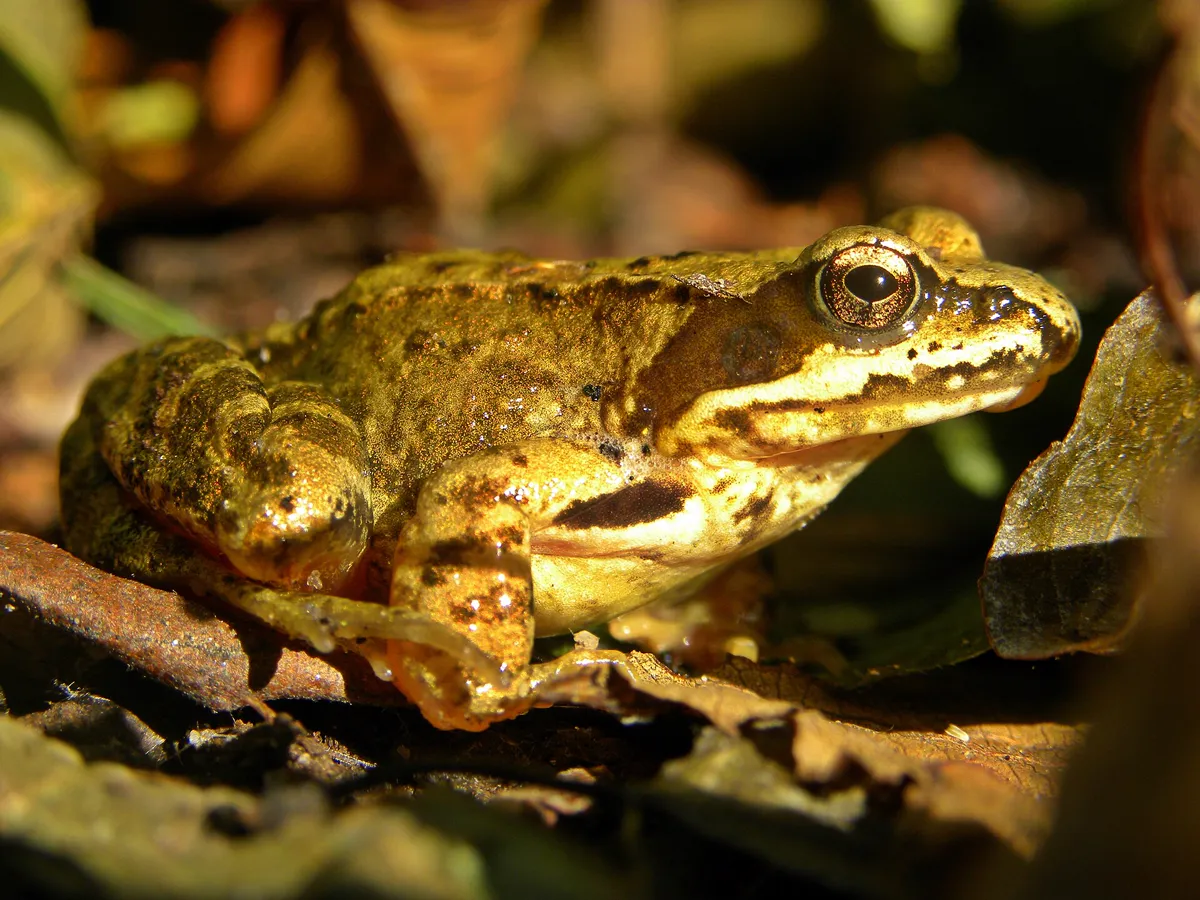
That is why the reports say the 8,000 bones came from "at least" 350 frogs and toads. The real number could be higher. According to Archaeology magazine's 2022 report, the bones came from common frogs and common toads, and possibly pool frogs as well.
The early guesses
When the find was first announced, MOLA senior zooarchaeologist Dr. Vicki Ewens called it "a puzzling and unexpected find." (A zooarchaeologist studies animal remains from old sites.) According to HeritageDaily and Current Archaeology, the team weighed several ideas:
- People ate them. But the bones showed no cut or burn marks, though Ewens noted that boiling might not leave any trace.
- They came for the bugs. Charred grain at the site suggested crops were processed there, which could have drawn insects, and frogs that eat insects.
- Migrating frogs fell in. Frogs heading to breeding ponds in spring might have dropped into the ditch and been unable to climb out.
- A bitter winter. Hibernating frogs could have died during an unusually cold season.
- Disease. An outbreak, similar to the ranavirus that killed many British frogs in the 1980s, might have wiped them out.
At the time, the team said there were no tooth marks or signs of digestion that would point clearly to a predator. Ewens admitted the team was not yet sure which factors were involved.
How owls entered the picture
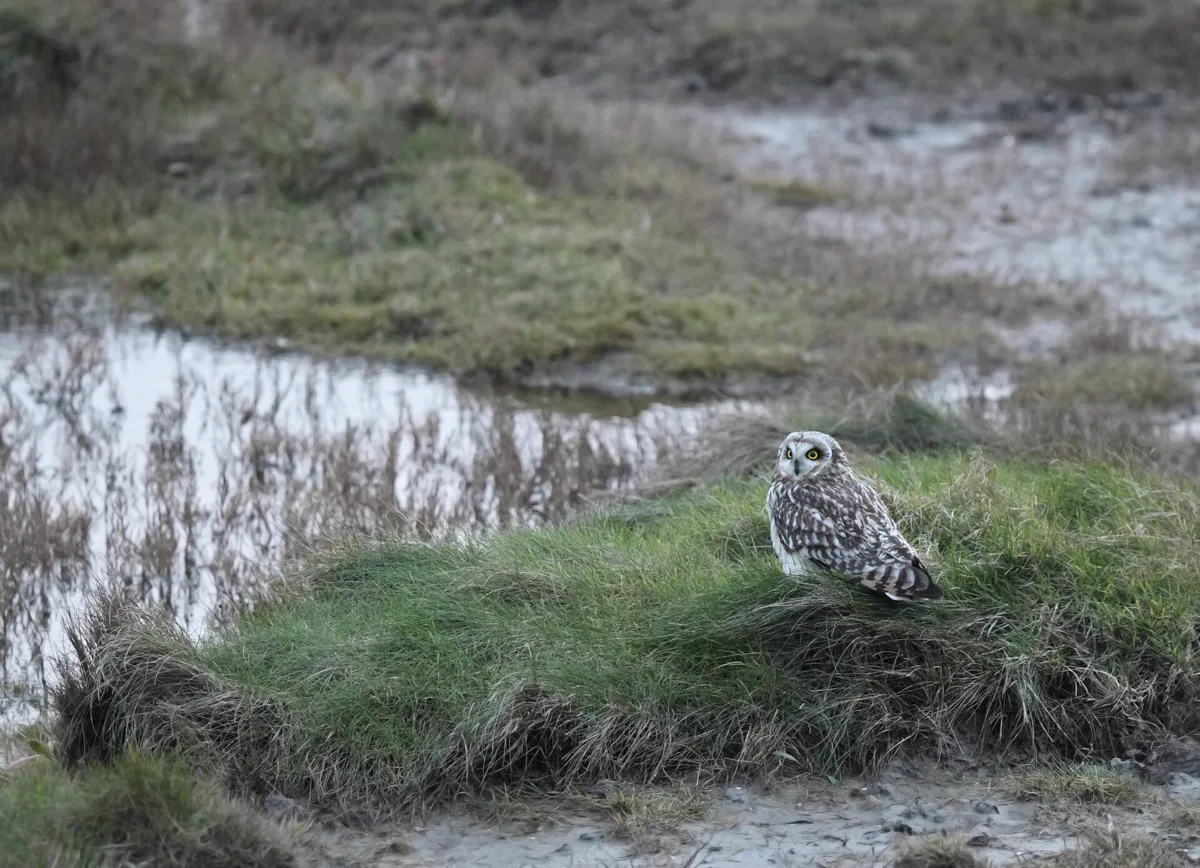
After reading about the find, Dr. Paul Clarkson of Bournemouth University contacted Ewens and offered to take a closer look. According to the university's news release, he compared the damage on the bones with earlier studies of how different hunters break up their prey, and concluded that birds were responsible. Short-eared owls and hen harriers, a type of hawk that hunts low over open ground, were the top suspects. The researchers lean toward owls as the main hunters.
Owls cannot digest bones, fur or feathers. As the Woodland Trust, a British conservation charity, explains, those parts come back up in a compact bundle called a pellet. Birds that roost in the same spot night after night can leave a lot of pellets behind. The Hawk and Owl Trust notes that short-eared owls often gather and roost together on the ground at favorite winter sites, and avoid wooded areas.
The team also measured the frogs' upper arm bones, a new way of estimating age, and found that most of the frogs died young, in the winter of their first year. Evidence at the site showed the ditch filled up within a single year. Radiocarbon dating done at the University of Vienna placed the remains in the Roman period, about 1,700 years ago. That is later than the roundhouse itself, which was used before the Romans arrived.
"The mystery of these frogs has been solved," Clarkson said in the release.
Why there were so many frogs
The study, titled "An Owl's Eye View: Human–Animal Entanglement at the Roman Fen Edge," appears in the journal Environmental Archaeology. It looks at the wider landscape as well as the bones. The Fens are a low, flat region of eastern England that was once largely wetland.
According to the release, the Fen waters were pulling back in Roman times, leaving wet ground that was ideal for frogs to breed. Clues from snail shells, pollen and charcoal show that woodland in the valley was gradually cleared for grazing animals. With fewer trees for cover, young frogs were easier for hunting birds to spot.
There is a human side, too. Owls tend to prefer quiet roosts, so the researchers suggest few people came by that ditch in autumn and winter. Archaeology News Online Magazine reports that people may have visited mainly in summer, perhaps to move livestock to fresh pasture.
How this compares
Frog bones on their own are not rare at old sites. What made Bar Hill unusual, according to MOLA's 2022 announcement, was how many were concentrated in one place.
People in ancient Britain did sometimes eat amphibians. At Blick Mead in Wiltshire, about a mile from Stonehenge, archaeologists reported in 2013 a burnt toad bone about 8,000 years old, found alongside the remains of wild boar and red deer, according to Archaeology magazine. Charring like that is the kind of clue missing at Bar Hill, which is one reason the human dinner theory faded there.
What we still don't know
The owl explanation is the researchers' best reading of the evidence, not an eyewitness account. The published counts give a minimum of 350 animals, so the true total is unknown, and news reports differ slightly on details. It is also not yet clear how common owl roosts like this were across Roman Britain, or whether other old ditches hold similar hidden feasts that no one has looked for yet.
What do you think?
- Have you ever found owl pellets or other signs of owls near your home or on a walk?
- Does it surprise you that tiny bones like these can tell researchers how people used the land?
How we checked this story
We read 9 reputable sources, wrote this article in our own words, and link every one of them below. Last checked November 16, 2026.
- EurekAlert! (Bournemouth University news release), "Ancient frog mystery solved": study details, owls and hen harriers, age of frogs, ditch filled in one year, radiocarbon dating, landscape changes, paper title and journal, Clarkson quote
- HeritageDaily, "Frog mystery uncovered near Iron Age roundhouse": 2022 find at Bar Hill, 8,000 bones, at least 350 animals, 14-meter ditch, 700 kg of bones, early theories, Ewens quote
- Current Archaeology (The Past), "Thousands of amphibian bones discovered at Late Iron Age site in Cambridgeshire": settlement dates, crop processing and insect theory, boiling caveat
- Archaeology magazine, "Remains of Thousands of Iron Age Frogs Uncovered in England": species (common frogs, common toads, possibly pool frogs)
- Gizmodo, "Scientists Found 8,000 Frog Bones at a Roman-Era Site in Britain—and They Finally Know Why": ditch size in feet, journal and authors, no cut marks or cooking signs
- Archaeology News Online Magazine, "8,000 frog bones in a Roman ditch were left by owls, study finds": owls as main hunters, Bar Hill site, seasonal visits with livestock
- Woodland Trust, "What do owls eat? And other owl facts": what owl pellets contain
- Hawk and Owl Trust, "Short-eared Owl": communal winter roosts, avoidance of woodland
- Archaeology magazine, "Frogs' Legs Eaten in Mesolithic England": Blick Mead comparison
Spot an error? See our corrections policy.