Sleeping better after 60: what changes, what helps, and when to call a doctor
Sleep gets lighter and earlier as we age, but the need for it does not shrink much. Here is what official health sources say helps, and which signs deserve a doctor's visit.

The dog in our photo has no trouble drifting off. For many of us past 50 or 60, it is not so simple. We wake at 3 a.m., or doze in the recliner and then lie awake in bed. Some of that is normal aging. Some is worth fixing, and some is worth a call to your doctor.
Your body changes, but your sleep needs mostly do not
The National Institute on Aging (NIA) says older adults need about the same amount of sleep as other adults: seven to nine hours a night. The CDC breaks it down a little further. It recommends 7 to 9 hours for people aged 61 to 64, and 7 to 8 hours for people 65 and older.
What does change is the shape of the night. According to the NIA, older adults tend to go to bed earlier and get up earlier, and sleep becomes shorter and lighter, with more waking during the night. MedlinePlus, the National Library of Medicine's health site, notes that a healthy 70-year-old may wake several times a night without any disease behind it. So a few wake-ups are not, by themselves, a sign that something is wrong.
Why sleep can get harder
Aging is only part of the story. MedlinePlus lists many things that can disturb sleep in older adults, including:
- Pain from conditions such as arthritis
- Long-term illnesses such as heart failure
- Needing to get up to urinate at night
- Depression
- Certain medicines, herbs and supplements
- Alcohol, caffeine and nicotine
- Not being very active during the day
The NIA adds that sleep disorders, such as insomnia, sleep apnea and restless legs syndrome, become more common with age. Many of these causes can be treated, so poor sleep is not something you simply have to accept.
Habits that actually help
None of these is a miracle. Pick two or three and stick with them for a few weeks.
- Keep a steady schedule. Go to bed and get up at the same time every day, weekends and trips included.
- Get morning light. MedlinePlus says morning sunlight helps set your internal clock.
- Move during the day. Regular exercise helps, but finish it at least three hours before bedtime.
- Watch the afternoon coffee. MedlinePlus advises skipping caffeine for at least 6 to 8 hours before bed. Tea, chocolate and soda count too.
- Go easy on alcohol. The NIA advises avoiding alcohol, even small amounts. MedlinePlus lists alcohol among the common causes of poor sleep in older adults.
- Keep naps short and early. MedlinePlus says it is best not to nap at all. If you must, keep it under 30 minutes and not in the late afternoon or evening.
- Make the bedroom for sleeping. MedlinePlus suggests using the bed only for sleep and sex.
- Put the screens away. Both the NIA and MedlinePlus advise keeping the TV, computer, phone and tablet out of the bedroom. MedlinePlus goes further and suggests turning off electronic devices two hours before bed.
- Eat and drink earlier. Avoid big meals two to three hours before bed, and limit large drinks late in the day.
- Don't fight the pillow. If you can't fall asleep after about 20 minutes, MedlinePlus suggests getting up and doing something quiet, like reading, until you feel sleepy.
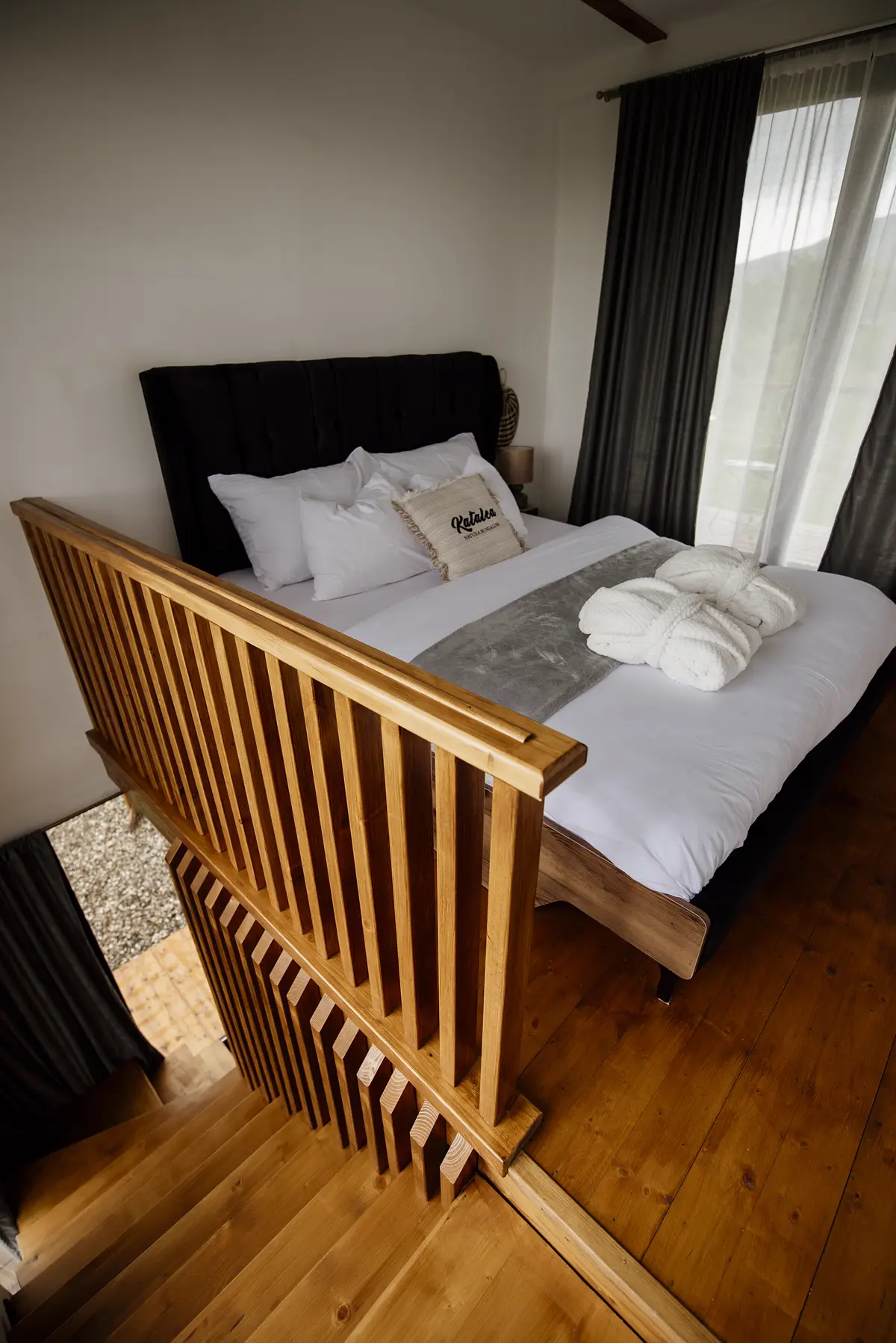
The NIA also recommends a sleep diary for a couple of weeks if you are having trouble. Write down when you go to bed, when you wake in the night and in the morning, and whether you had caffeine, alcohol or exercise that day. It helps you and your doctor spot patterns.
A simple bedtime routine. The NIA suggests doing something relaxing each night before bed. Built from that advice and MedlinePlus's tips, an evening might look like this:
- About two hours before bed, turn off the TV, tablet and phone.
- If you are hungry, have a light snack rather than a full meal.
- Take a warm bath, or listen to soothing music.
- Read a book.
- Go to bed at your usual time, in a quiet room that is not too hot or cold.
When to see a doctor, and what to expect
Talk with your doctor if you are sleepy all the time or poor sleep is getting in the way of daily life. Two problems deserve special attention.
Sleep apnea. This is when breathing stops and starts repeatedly during sleep. The National Heart, Lung, and Blood Institute (NHLBI) lists these signs:
- Loud, frequent snoring
- Gasping for air during sleep
- Breathing that stops and starts (often noticed by a bed partner)
- Daytime sleepiness, morning headaches or a dry mouth
- Waking often during the night to urinate
Not everyone who snores has sleep apnea, the NIA notes. But untreated sleep apnea can lead to serious health problems, including heart attack, and it is treatable, often with a CPAP machine worn at night. Your doctor may suggest a sleep study.
Insomnia. The NIA calls insomnia the most common sleep problem in adults 60 and older. It means trouble falling or staying asleep at least three nights a week. When it lasts more than three months, it is considered chronic. A form of counseling called cognitive behavioral therapy for insomnia, or CBT-I, can help, and it does not involve pills.
Also mention it if your legs feel crawly or tingly at night and moving them brings relief, or if you act out your dreams. The NIA says these movement-related sleep problems can usually be treated.
What your doctor may ask. MedlinePlus says your provider will take a history and do a physical exam to look for medical causes. For possible sleep apnea, the NHLBI says you will be asked about your symptoms, your family history, and any medicines, such as opioids, that might affect breathing during sleep. Bring your sleep diary.
What a sleep study is. If your doctor wants a closer look, you may be sent for a sleep study, also called polysomnography. The NHLBI describes it as a painless test. The usual version is overnight at a sleep center, where small removable sensors on your scalp, face, chest, limbs and a finger record brain waves, heart rate, breathing and oxygen levels. Your doctor may decide you can do a test at home with a portable device instead.
Questions to bring to your appointment:
- Could any of my medicines, or a health condition I have, be affecting my sleep?
- Do my symptoms sound like sleep apnea, insomnia or restless legs?
- Would a sleep study help, and could it be done at home?
- Is cognitive behavioral therapy for insomnia an option for me?
- Is the sleep aid I take safe for me, or is there a better choice?
Be careful with sleep aids
It is tempting to reach for a pill. The NIA says sleep medicines may help in the short term but "should not be used long term," and can lead to dependence. MedlinePlus adds that your provider should weigh your risk of daytime drowsiness, thinking problems and falls before you start one, and that you should never mix sleeping pills with alcohol.
The American Geriatrics Society's Beers Criteria, a widely used list of medicines that can pose extra risks for older adults, flags several common sleep drugs. Its patient guide, from the Health in Aging Foundation, lists benzodiazepines, the "Z-drugs" such as zolpidem, and over-the-counter nighttime products that contain diphenhydramine or similar older antihistamines. Many "PM" pain relievers fall in that last group, so check the label.
That does not mean you should stop anything on your own. If you take one of these, bring it up at your next visit and ask about alternatives, including CBT-I. And talk with your doctor before starting any new medicine or supplement for sleep.
What do you think?
- What change, big or small, has made the most difference to your sleep since you turned 50 or 60?
- Have you ever talked with your doctor about sleep, and was it helpful?
How we checked this story
We read 7 reputable sources, wrote this article in our own words, and link every one of them below. Last checked November 16, 2026.
- National Institute on Aging, "Sleep and Older Adults": hours needed, how aging changes sleep, tips, insomnia, sleep apnea, movement disorders, sleep diary, sleep medicine cautions
- CDC, "About Sleep": recommended hours by age group (61 to 64, 65 and older)
- MedlinePlus (National Library of Medicine), "Sleep disorders in older adults": normal night waking, causes of sleep problems, habits, sleeping pill cautions
- National Heart, Lung, and Blood Institute, "Sleep Apnea - Symptoms": sleep apnea warning signs
- National Heart, Lung, and Blood Institute, "Sleep Apnea - Diagnosis": what a provider asks when checking for sleep apnea
- National Heart, Lung, and Blood Institute, "Sleep Studies": what a sleep study is and how it works, home vs. sleep center
- Health in Aging Foundation (American Geriatrics Society), "Learn More: Alternatives for Medications Listed in the AGS Beers Criteria for Potentially Inappropriate Medication Use in Older Adults": sleep medicines flagged in the Beers Criteria, CBT-I as an alternative
Spot an error? See our corrections policy.