Thanksgiving and your pets: the table foods vets say can land a dog or cat in the ER
Turkey bones, gravy, stuffing and even raw dough can make a pet seriously sick. Veterinary schools and the ASPCA explain what to keep away, what is safer, and who to call.
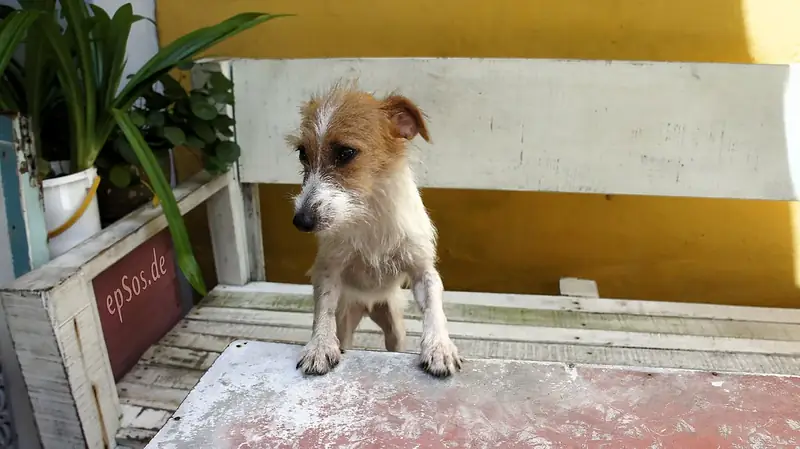
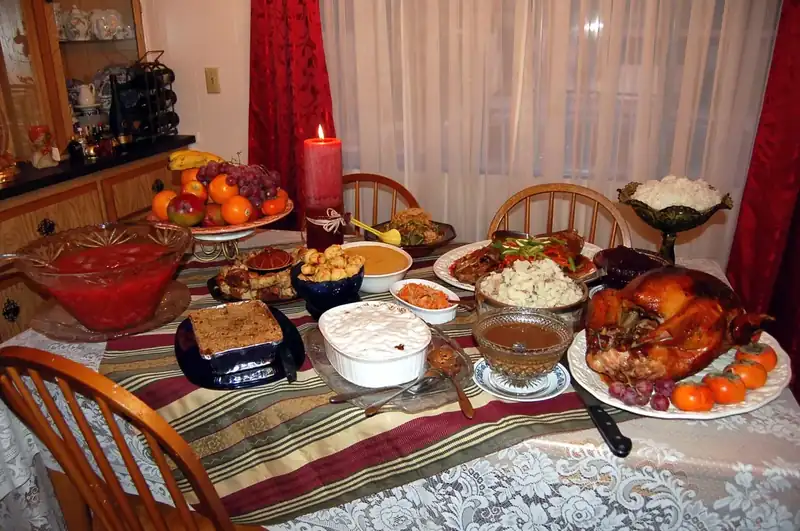
Thanksgiving is Thursday, Nov. 26, and for many families the dog or cat is part of the crowd around the table. Veterinarians say that is when trouble starts. A few bites of the wrong food, a raided trash can or a plate left on the coffee table can turn a happy holiday into an emergency visit.
According to Louisiana State University's veterinary school, its teaching hospital sees an increase in digestive problems every holiday season. This guide pulls together advice from LSU, Kansas State University, Purdue University and the ASPCA, so you know what to guard against before the guests arrive.
The foods to keep away from pets
- Turkey bones. LSU says they can splinter and cause choking, injuries or blockages. Kansas State adds that bones can damage teeth or perforate (puncture) the gut. The ASPCA says an obstruction "could be serious and require surgery."
- Skin, gravy, dark meat, butter and drippings. Rich, fatty food can cause vomiting and diarrhea. Both LSU and Kansas State warn it can lead to pancreatitis, a painful swelling of the pancreas that Kansas State says can sometimes be fatal.
- Onions, garlic, leeks and chives. They hide in stuffing, gravy and casseroles. LSU says they are toxic to dogs and cats and can damage red blood cells, possibly causing anemia (too few healthy red blood cells). The ASPCA says cats are more sensitive, but dogs are at risk too.
- Grapes and raisins. LSU says they can cause acute kidney failure in dogs. Kansas State also lists currants.
- Chocolate and desserts. The ASPCA says the darker the chocolate, the greater the risk, with baking chocolate and cocoa powder highest. Signs can include vomiting, panting, tremors and seizures.
- Sugar-free sweets. Some contain xylitol, a sweetener also found in gum, candy and baked goods. LSU says it can cause dangerously low blood sugar and liver damage in dogs. The ASPCA says liver damage can show up within 12 to 24 hours.
- Raw bread or pie dough. The ASPCA says dough can rise in a pet's stomach and cause painful bloating. The yeast also produces alcohol, so the pet can get alcohol poisoning too.
- Alcohol. The ASPCA says even foods containing alcohol can cause vomiting, trouble breathing, tremors and coma.
- Corncobs, string and foil. Kansas State warns that corncobs can cause fatal blockages. Baking twine and foil can also block the gut. Purdue notes that turkey string and foil smell like food and tempt pets.
What is safer to share
Vets do not say a pet must go hungry. Kansas State suggests treats such as vegetables not cooked in butter, chopped apples, plain pumpkin or sweet potato. Keep the portions small, and skip the butter, salt and seasoning. A pet whose stomach is used to kibble can get an upset stomach from almost any big change, so a few bites is plenty.
Beyond the plate
- Guard the trash and leftovers. LSU advises keeping trash cans secured and plates out of reach. Purdue suggests leftovers be sealed behind a pet-proof door. Kansas State recommends baby gates to keep pets out of the kitchen.
- Tell your guests. LSU asks that guests, especially children, not feed pets. Keep visitors' medicines and candy in purses and coats out of reach.
- Plan for doors and noise. Kansas State says to watch the door as guests come and go, and to give a nervous pet a quiet closed room with a toy or food puzzle. LSU and Kansas State both say to make sure ID tags and microchip details are up to date.
- Watch the decorations. Lilies are often deadly to cats, Kansas State says, and any part of the plant, including pollen, is toxic to them. LSU says mistletoe and holly can upset the stomach. Open flames are a burn and fire risk, and Kansas State suggests battery-operated candles.
If your pet eats something it shouldn't
LSU's advice is direct: contact your veterinarian immediately, and do not wait for symptoms to appear. Signs to watch for include vomiting, diarrhea, belly pain or bloating, weakness, unusual behavior, increased thirst, a racing heart, tremors or seizures.
Do not try home remedies. LSU says not to make a pet vomit unless a veterinarian or poison control professional tells you to. Purdue's Dr. Lorraine Corriveau gave a reason: vomiting can cause a pet to inhale material into the lungs, and sharp objects or batteries can do more harm coming back up.
Save these numbers before the holiday, because clinics may be closed on Thursday:
- ASPCA Animal Poison Control: (888) 426-4435
- Pet Poison Helpline: (855) 764-7661
Both services run around the clock, according to LSU, and consultation fees may apply. Also look up your nearest 24-hour emergency animal hospital today, and note the amount and type of food your pet ate, to tell them when you call.
What we don't know
There is no national count of holiday pet emergencies in the sources we read. Purdue's older article says most holiday emergency visits come from pets eating something unhealthy or toxic, but the university did not give figures that we could check. How much of a food is dangerous depends on the pet's size and health, which is why vets say to call even if the amount seems small. This article is general information, not a substitute for your own veterinarian's advice.
What do you think?
- Does your pet get a special treat on Thanksgiving, and what is it?
- Has a pet of yours ever gotten into the holiday food? What happened, and what would you do differently?
How we checked this story
We read 4 reputable sources, wrote this article in our own words, and link every one of them below. Last checked November 20, 2026.
- Louisiana State University School of Veterinary Medicine, "Keep pets safe this holiday season" (Nov. 16, 2026): hazard list, warning signs, what to do, poison resources
- ASPCA, "People Foods to Avoid Feeding Your Pets": chocolate, xylitol, dough, alcohol, bones, onions details and hotline number
- Kansas State University, "K-State veterinarian shares Thanksgiving pet safety reminders" (Nov. 25, 2025): safer treats, corncobs, twine, lilies, guest tips, Pet Poison Helpline number
- Purdue University College of Veterinary Medicine, "Your Pets Will Thank You If You Follow These Thanksgiving Pet Tips" (Nov. 19, 2021): turkey string and foil, do-not-induce-vomiting advice from Dr. Corriveau
Spot an error? See our corrections policy.